
RAIKO Gut Support
A practical, GAPS-inspired approach to everyday eating
01
Protein at each main meal

Eggs, poultry, fish, meat, tofu or other tolerated protein sources.
02
Plenty of plants

A varied range of vegetables, herbs, fruit, nuts and seeds according to tolerance.
03
Useful carbohydrates
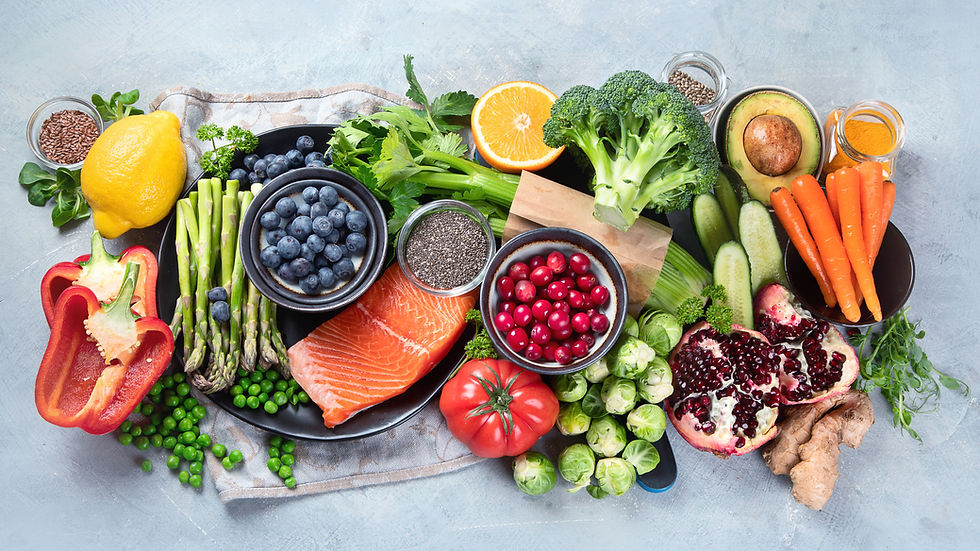
Rather than automatically removing all grains and starchy vegetables, foods such as potatoes, oats, rice or other minimally processed carbohydrates may be included when appropriate.
04
Healthy fats

Olive oil, avocado, nuts, seeds, oily fish and other minimally processed sources.
RAIKO Gut Support takes inspiration from some of the food principles associated with GAPS, such as prioritising minimally processed foods, quality protein, vegetables and fermented foods, but adapts them into a more flexible, practical and nutritionally varied approach.
05
Fermented foods

If tolerated, choose convenient products such as natural live yoghurt, kefir, sauerkraut or kimchi. Homemade fermentation is not required.
06
Less ultra-processed food

The aim is not perfection. It is simply to make minimally processed foods the default more often.
Your RAIKO Shopping Basket
01
Protein

Eggs · chicken · turkey · beef · fish · tinned fish · seafood · tofu/tempeh if appropriate · natural yoghurt/kefir if tolerated
02
Vegetables

Buy what you will actually use. Fresh and frozen both count.
Easy choices:
carrots · courgettes · spinach · peppers · broccoli · cauliflower · green beans · tomatoes · cucumber · leafy greens
03
Fruit

Berries · apples · citrus · kiwi · bananas · other tolerated fruit
04
Carbohydrates
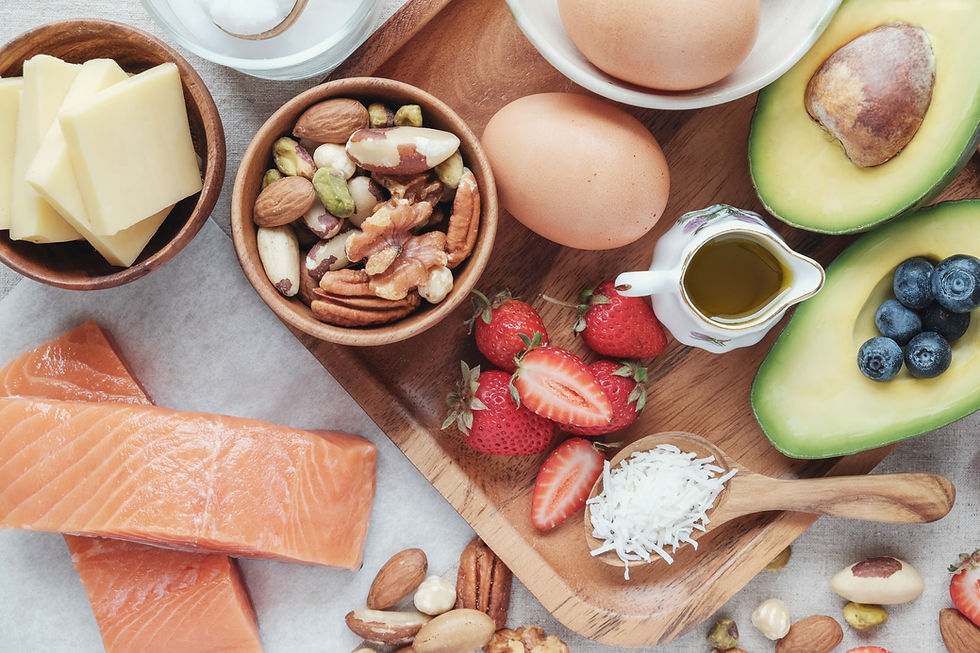
Depending on your individual plan:
potatoes · sweet potatoes · oats · rice · quinoa · sourdough or other simple-quality breads where appropriate
05
Fats & extras

Extra-virgin olive oil · avocado · nuts · seeds · nut butter · olives · herbs · spices
06
Convenient fermented foods

Look for simple products with live cultures where possible:
natural yoghurt · kefir · sauerkraut · kimchi
Broths and soups are a regular part of the RAIKO Gut Support approach. They provide a simple way to combine fluids, protein, vegetables, herbs and easily tolerated ingredients in one meal and can be adapted throughout the programme.
The aim is consistency, not perfection. You do not need to make elaborate bone broth every day or follow traditional GAPS preparation rules exactly.
What to use
Choose whichever option is realistic for you:
-
Homemade chicken, beef, fish or vegetable broth
-
Simple soups made with meat, fish, eggs or legumes where appropriate
-
Quality shop-bought stock or broth with a short ingredient list
-
Frozen homemade soup prepared in batches
-
Ready-made soups that fit your individual plan
How often?
Aim to include broth or soup regularly throughout the week, and more often during periods when you want meals to be simpler, warmer or easier to digest.
For some people, this may mean one serving most days. For others, a few times per week is more realistic.
A useful soup should ideally include:
Protein + vegetables + fluid + healthy fat, with a suitable carbohydrate where appropriate.
Examples:
Chicken soup with vegetables, herbs and potatoes
Beef and vegetable soup with root vegetables
Fish soup with vegetables and rice
Lentil or bean soup where legumes are well tolerated
Creamed vegetable soup with added protein on the side
You do not need to make everything from scratch
Convenience is allowed.
If using shop-bought broth or soup, look for products with:
-
recognisable ingredients
-
moderate salt
-
minimal added sugar
-
no unnecessary additives where possible